Yoshitsune-ryu
義経流柔術Yoshitsune-ryu Jujutsu
師の魂を、後世へ。 Carrying the legacy of the masters forward.
義経流柔術についてAbout Yoshitsune-ryu Jujutsu
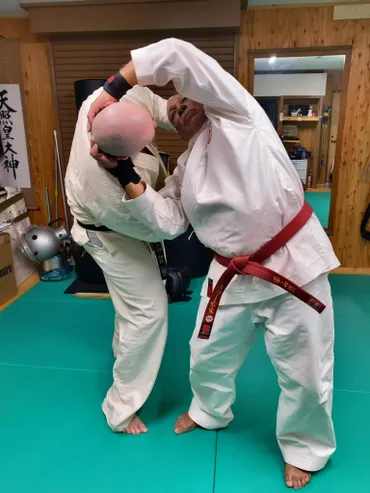
義経流柔術は、実戦的な護身を根幹に据えた日本武術の一流派です。打撃・蹴り・投げ・関節技を体系的に修め、さらに急所(活点・当身)への知識を組み合わせることで、現実の危機に即応できる護身術を追求しています。その実効性は世界各国の軍や警察機関に認められており、東京警視庁の逮捕術にも採用されました。男女を問わず、年齢や経験を問わず——礼節と安全を重んじながら、誰もが身を守る力を養える武道です。
Yoshitsune-ryu Jujutsu is a classical Japanese martial art built upon the foundation of practical self-defense. Its curriculum integrates striking, kicking, throwing, joint-locking, and an in-depth study of pressure points (Kyusho/Atemi) — forging skills that function in real-world situations, not merely on the training floor. The system's effectiveness has earned recognition from military and law enforcement agencies worldwide, including its adoption into the Tokyo Metropolitan Police's Taiho Jutsu arrest-technique program. Open to men and women of all ages and experience levels, it is a martial art grounded in respect, safety, and the enduring pursuit of true self-protection.
流派の歴史 History of the Style
義経流柔術の名は、平安時代末期の英雄・源義経(1159–1189)に由来します。鞍馬山にて天狗から兵法を授かったとも伝わる義経は、その神速の動きと柔軟な戦術で後世の武術者たちに多大な影響を与えた存在です。
The name Yoshitsune-ryu honors Minamoto no Yoshitsune (1159–1189), the legendary warrior of late Heian Japan — said to have mastered martial arts on Mount Kurama, and celebrated for an extraordinary swiftness and adaptive genius that inspired martial artists for centuries to come.
流派を体系化したのは、日本の武術家・齋藤准二師(Junji Saito)です。神道夢想流・八光流など複数の流派で修行を積み、最高位の師範免許皆伝を取得した齋藤師は、1960年に渡米。アメリカ人の体格と護身のニーズに合わせ、各流派の精髄を選り抜いて一つの体系として集大成しました。これが義経流柔術の誕生です。
The system was created by Japanese martial artist Junji Saito, who trained across multiple classical traditions — including Jigen-ryu and Hakko-ryu — and attained Shihan Menkyo Kaiden, the highest certification possible. When Saito moved to the United States in 1960, he distilled the most effective techniques from each tradition into a unified system suited to the physiques and self-defense realities of the American people.
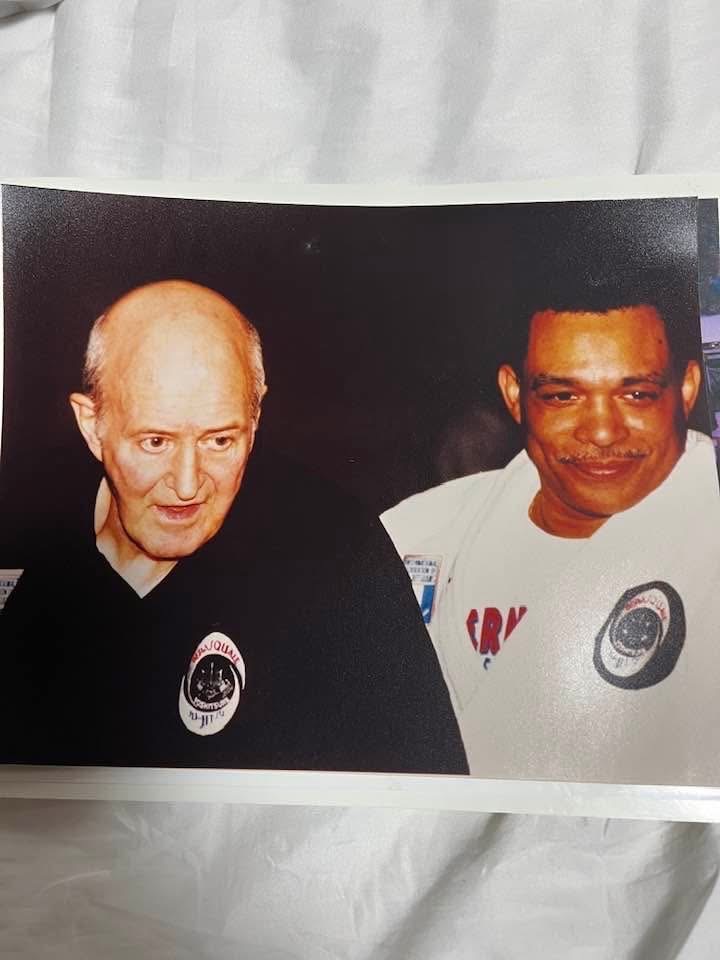
その渡米の年、ニューヨーク・ペンシルベニア駅へ向かう車中で、齋藤師は鉄道警察官だったマイケル・デパスクアーレ・シニアと運命的な出会いを果たします。1961年、デパスクアーレ・シニアは義経道場を設立——アメリカで初めて日本連盟から正式認可を受けた柔術道場となりました。26年以上にわたる齋藤師直伝の修行を経て、1988年の師の逝去後、デパスクアーレ・シニアは初代宗家として流派を継承。その志はやがて息子マイケル・ジュニアへと受け渡され、二代宗家として流派の技と精神を世界へ伝え続けました。
That same year, a chance encounter brought Saito together with Michael DePasquale Sr., a railroad police officer traveling to New York's Pennsylvania Station. In 1961, DePasquale Sr. founded the Yoshitsune Dojo — the first jujutsu school in the United States to receive official recognition from a Japanese federation. After more than 26 years of direct instruction under Saito, he assumed the role of Soke following Saito's passing in 1988. He would pass this legacy to his son, Michael DePasquale Jr., who served as Nidai Soke and devoted his life to carrying the art's spirit into the world.
Michael DePasquale Sr. Michael DePasquale Sr.
初代宗家
First Soke
Michael DePasquale Jr. Michael DePasquale Jr.
二代宗家
Second Soke
追悼の言葉A Tribute
投稿にあたってA Message
前回の投稿からかなり時間が経ってしまいましたが、今こそ投稿しなければならないと感じました。
It's been a long time since I posted, but I've had to do it now.
師範養成の一週間A Week of Shihan Training
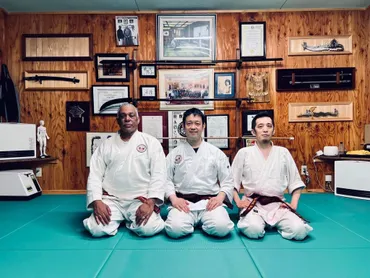
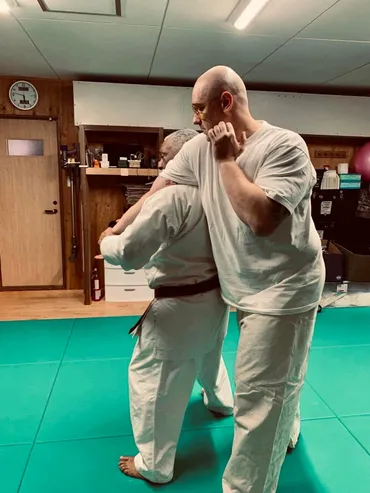
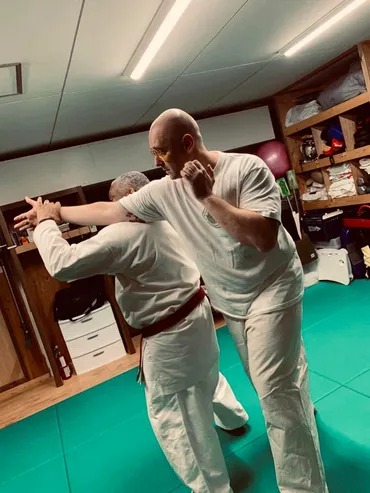
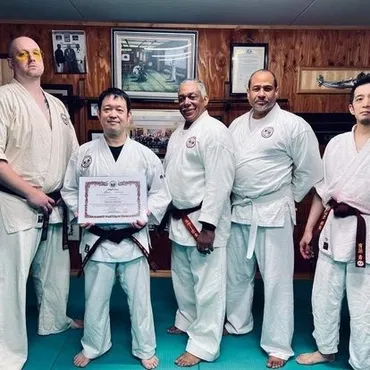
先週、ここ東京にある私の道場で、師範養成の一環として、彼の教え子2名に指導を行いました。彼らは父子のショーン・フラナガンとカイル・フラナガンです。
I'm teaching two of his students here at my dojo for the Shihan training this past week here in Tokyo, Japan — they are father and son, Shawn Flanagan and Kyle Flanagan.
マイク・デパスクアーレJr.の功績The Legacy of Mike DePasquale Jr.
彼らに指導をしている最中、マイク・デパスクアーレ・ジュニアが地域社会や武道のために成し遂げた功績について、少しばかりお伝えしなければならないと強く感じました。
As I was teaching them, I just felt I had to share a little piece of what Mike DePasquale Junior did for the community and martial arts.
深い感謝と追悼With Deepest Gratitude
彼を心から恋しく思っています。マイケル・デパスクアーレ・シニア(宗家)とマイケル・デパスクアーレ・ジュニア(二代宗家)の二人を、どれほど恋しく思っているか、言葉では言い表せません。
I miss him dearly and cannot express how much I miss both of them — Michael DePasquale SR. Soke and Michael DePasquale JR. Nidai Soke.
義経流柔術の生徒 Yoshitsune-ryu Jujutsu Students
カイル・フラナガン(左)とショーン・フラナガン(右) Kyle Flanagan (Left) and Shawn Flanagan (Right)
二代宗家 公式チャンネル Nidai Soke — Official Channel
Michael DePasquale Jr.
@mdpent
義経流柔術の技術と精神を後世に伝える、二代宗家のオフィシャルYouTubeチャンネル。稽古の様子から武道の哲学まで、彼の遺した映像をご覧ください。 The official YouTube channel of the Nidai Soke — preserving the techniques, philosophy, and living spirit of Yoshitsune-ryu Jujutsu for generations to come.
チャンネルを開く Visit Channel追悼の言葉A Tribute
マイケル・デパスクアーレ・シニア(宗家) ―― 私の永遠の師であり、指導者であり、日本における私の遺産 Michael DePasquale, Sr. (Soke) — My Eternal Mentor, Teacher, and Legacy in Japan
私の師である故マイケル・デパスクアーレ・シニア師範への祈りとでも呼んでください。ありがとうございました。2006年9月23日に逝去された私の師への追悼の意を込めて。
Call it a prayer to my mentor passing Soke Michael DePasquale SR. Thank you for everything. A tribute to my mentor on his passing Sept 23, 2006
追悼に贈る一曲 —「Your Song」 A Song in Tribute — "Your Song"
0:00 0:00私が受け継いでいるのは、単なる名前や段位、あるいは流派の体系だけではありません。私が受け継いでいるのは、1963年、14歳の時に私の人生を形作り、今もなお日本の東京・八王子にある私の道場を毎日照らし続けている、生き生きとした哲学そのものです。彼の言葉――「神を第一に、家族を第二に、国を第三に」――は、私の中でしばしば響き渡ります。それは空虚なスローガンではなく、それを実践して生きた一人の男の鼓動そのものであり、今や私が伝えるべき教えとなっているのです。
I am not just carrying forward a name, a rank, or a system. I am carrying forward a living, breathing philosophy that shaped my life at age 14 in 1963 and continues to light up my dojo here in Hachioji, Tokyo, Japan every single day. His words echo often in me — "God first, family second, country third" — were not empty slogans; they were the heartbeat of a man who lived them, and they are now mine to teach.
01 彼がどのような人物だったか:先駆者、師、そして「私の第二の父」Who He Was: The Pioneer, the Mentor, the "Second Father"
マイケル・デパスクアーレ・シニア(しばしば「宗家マイケル」として記憶されている)は、第二次世界大戦直後の1940年代に武術の修業を始めた。戦時中は米陸軍に従軍し、帰国後は、後に「アメリカン・ジュウジツの基礎原則」として知られるようになるものを再構築し、体系化した。
Michael DePasquale, Sr. (often remembered as Soke Michael) began studying martial arts in the 1940s, right after World War II. He served in the U.S. Army during the war, then returned home to rebuild and codify what would become known as the foundational principles of American Ju-Jitsu.
数十年が経過した今でも、多くの人々から「アメリカン・ジュウジツの父」と呼ばれています。この称号は、宣伝や大会での実績によって得られたものではなく、この武術を自ら体現し抜いたことで勝ち取ったものです。1940年代から1960年代にかけて、彼は訓練に励み、指導を行い、米国における現代のグラップリングおよび護身術体系のまさに「DNA」を形成するのに貢献した。1963年、私が14歳の頃、彼はすでにその流派において尊敬される上級指導者であり、師として認められていた。2006年9月、最期の時を迎えた彼は、後に彼の名と流派を継承することになる弟子たちに囲まれてこの世を去りました。私が目撃したあの「後悔と孤独に満ちた」瞬間――おそらく彼は、私が息子として受け継いだその遺産を背負って一人残される重みを感じていたのかもしれません――こそが、「宗家マイケル・デパスクアーレ・シニア」という称号がこれほど自然に感じられる理由であり、日本での私の生活において、彼の精神がいつまでも尊敬を集め続ける理由なのです。
He is still called by many today — even decades later — the "Father of American Ju-Jitsu," a title earned not by marketing or tournaments but by living the art. From the 1940s through the 1960s he trained, taught, and helped form the very DNA of modern grappling and self-defense systems in the United States. When I was 14 in 1963, he was already a respected senior instructor and mentor in that lineage. In his final days in September 2006, he passed surrounded by the very students who would later carry his name and method. That moment of remorse and loneliness I witnessed — perhaps he felt the weight of leaving behind the legacy I adopted as a son — is exactly why the title "Soke Michael DePasquale, Sr." feels so natural, and why his spirit will always command respect in my life here in Japan.
02 個人的な絆:生徒から「第二の父」へThe Personal Bond: From Student to "Second Dad"
1963年、私は14歳だった。まさにその年、米国では公民権運動が爆発的に広がり、ビートルズがポップカルチャーを一変させ、そして武道が、アメリカの若者たちにとって、規律と現実逃避の「隠れた共通言語」として静かに浸透しつつあった。その年齢の少年たちには、たいてい父親が一人いるものだ。私には2人の父親がいた。実の父であるジョセフ・ミラー・シニアと、マイケル・デパスクアーレ・シニアだ。彼は私の祖父になるほど年上だったが、精神的には若々しく、屋根に登ったり、マットの上で転がったり、時代遅れだと感じることなく人生の話をしてくれた。
I was 14 in 1963. That is the precise year the U.S. civil-rights movement was exploding, the Beatles were changing pop culture, and martial arts were quietly becoming the underground language of discipline and escape for American youth. At that age, most boys have one father. I had two: my biological dad, Joseph Miller Sr., and Michael DePasquale, Sr. — a man old enough to be my grandfather yet young enough in spirit to climb roofs, roll on mats, and share life stories without feeling like a relic.
彼は、真の「第二の父」にしかできない方法で、私に世界を見せてくれた。説教ではなく、その存在そのもので。彼は私に、立ち方、転び方、再び立ち上がる方法、そして――さらに重要なこととして――それらの教訓をあらゆる人間関係にどう生かすかを教えてくれた人物だった。だからこそ、「第二の父」という言葉は、私の師である宗家マイケル・デパスクアーレに、これほど自然にふさわしいのだ。
He showed me the world the way only a true second father could — not through lectures, but through presence. He was the man who taught me how to stand, how to fall, how to rise again, and — more importantly — how to carry those lessons into every relationship. That is why the phrase "second dad" sits so naturally with my mentor, Soke Michael DePasquale.
03 彼の核心となる哲学:第一に神――第二に家族――第三に国His Core Philosophy: God First — Family Second — Country Third
これは彼が実践し、私も自身の教えに取り入れている三つの柱である。
This is the trinity he lived, and one I have adopted in my own teaching.
- 第一に神――彼は信仰深い人だった。最期の瞬間、彼はより高い力の現実に包まれていた。これは狭義の宗教的教義ではなく、謙虚さ、規律、そして目的意識という哲学的基盤である。あらゆる打撃、あらゆる受け身、あらゆる技には、究極の勝利とは肉体的なものだけでなく、精神的なものであるという理解が込められていた。 God first — He was a man of faith. In his final moments he was surrounded by the reality of a higher power. This is not religious dogma in the narrow sense; it is the philosophical foundation of humility, discipline, and purpose. Every strike, every fall, every technique carried the understanding that the ultimate victory is spiritual, not just physical.
- 家族が第二――彼は私を息子として迎え入れてくれた。武道の用語で言えば、これは「内弟子」の最高位にあたる。あなたは家族の一員となったのだ。だからこそ、彼は私に「人生そのもの」を教えてくれた――単なる技だけでなく、道場の内外を問わず、いかにして男として生きるかを。 Family second — He adopted me as a son. In martial-arts terms, this is the highest level of "uchi deshi" (live-in student). You became family. That is why he showed me life itself — not just techniques, but how to be a man inside and outside the dojo.
- 国が第三――これは愛国心という層です。師匠は第二次世界大戦に従軍し、その後数十年にわたり、アメリカを強固にする体制を築き上げました。日本で柔術を教えることは、美しい皮肉であり、深い敬意の表れでもあります。私は、最も崇敬される格闘の伝統を持つ地に、アメリカの武術を持ち込み、その原理が国境を越えることを示したのです。 Country third — This is the patriotic layer. He served in World War II, then spent decades building a system that strengthened America. Teaching Ju-Jitsu in Japan is a beautiful irony and a profound tribute: I was taking an American martial art to the land of its most revered fighting traditions and showing that the principles transcend borders.
「宗家マイケル・デパスクアーレ・シニアは、人生における重要度の順序は偶然ではないと教えてくれました。第一に神――それが北極星です。第二に家族――それが私たちが守る円です。そして第三に祖国――それが私たちが誇りを持って掲げる旗です。1963年、私がまだ14歳の少年だった頃、師範は私にこれらの真理を教えてくれました。そして私は、それらを日本での道場や生活の中に持ち込み、ここで師範の流派に加え、私が学んできた他の流派、そして自ら考案した『ピースフル・マウンテン・システム(泰山流)』を指導しています。」
"Soke Michael DePasquale, Sr. taught me that the order of importance in life is not random. God first — that is the North Star. Family second — that is the circle we protect. And country third — that is the flag we uphold with pride. He showed me these truths while I was still a boy of 14 in 1963, and I have carried them into my dojo and my life here in Japan, where I teach his system alongside the other systems I have learned, as well as my own system, called the Peaceful Mountain System (Taizan-ryu)."
04 武道の深み:文化の架け橋としての柔術Martial-Arts Depth: Ju-Jitsu as the Bridge Between Cultures
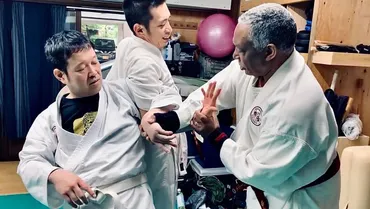
柔術(ジュウジュツ)は単なる「格闘技」ではありません。それは「柔(じゅう)」(穏やか・滑らか)と「術(じゅつ)」(技・技術)を組み合わせた、日本固有の「柔の術」であり、武士が、蛮力ではなく、てこ、関節技、投げ技、そしてタイミングを駆使して、武装した相手を殺すことなく制圧するために考案されたものです。デパスクアーレ・シニアは、この生き続ける日本の伝統をアメリカの地にもたらし、現代の生活に実用的な形へと発展させました。
Ju-Jitsu (Jūjutsu) is not just "grappling." It is the original Japanese art of the "gentle art" — jū (gentle/smooth) + jutsu (art/technique) — designed for the samurai to subdue an armed opponent without killing, using leverage, joint locks, throws, and timing rather than brute force. DePasquale, Sr. brought this living Japanese tradition to American soil and made it practical for modern life.
私が日本で運営している道場では、単に「外国の」流派を教えているわけではありません。私は、アメリカ人の手を通じてその原理を受け継ぎ、それを再び日本の環境へと伝えた人物から直接受け継がれた系譜を教えているのです。それによって、美しい文化の架け橋が築かれました。宗家マイク、あなたがいなくて寂しいです。
In my school in Japan, I am not merely teaching a "foreign" system; I am teaching the direct lineage from a man who received its principles through American hands and then passed them back into a Japanese environment. That created a beautiful cultural bridge. I miss you, Soke Mike.