Taizan-ryu
指圧Shiatsu 整体院Clinic
武道の知で、身体を癒す。 Healing the body through martial wisdom.
泰山流指圧についてAbout Taizan-ryu Shiatsu
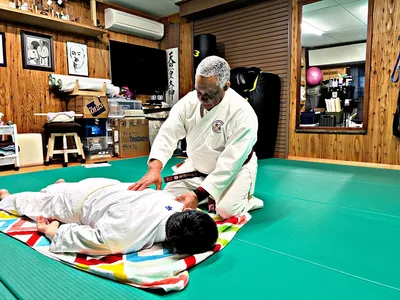
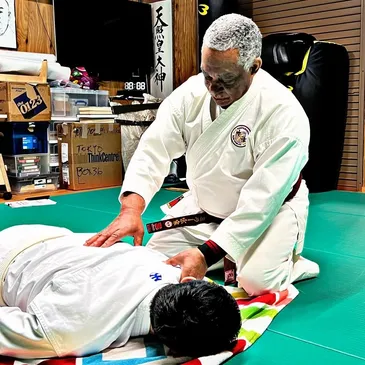
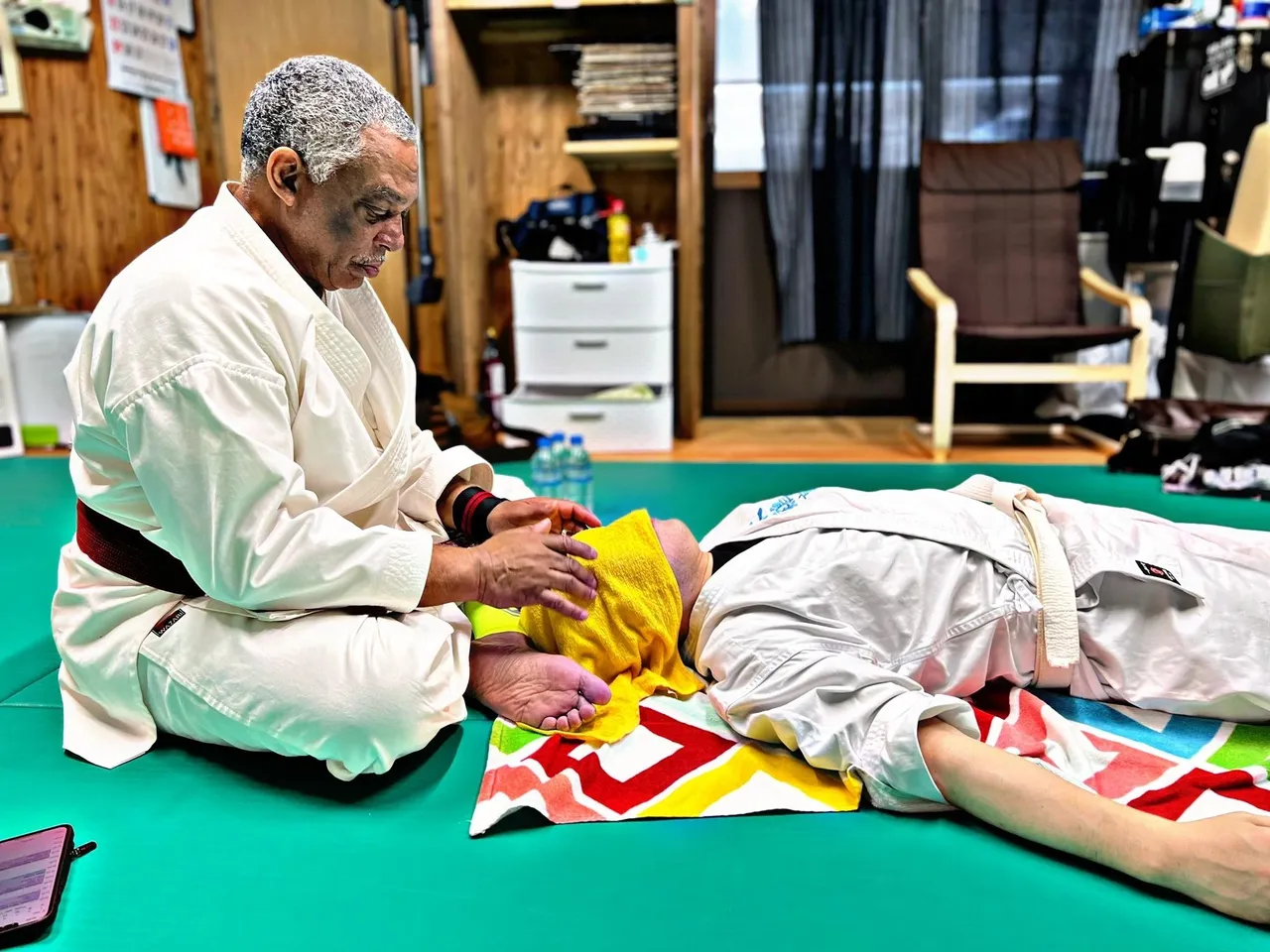
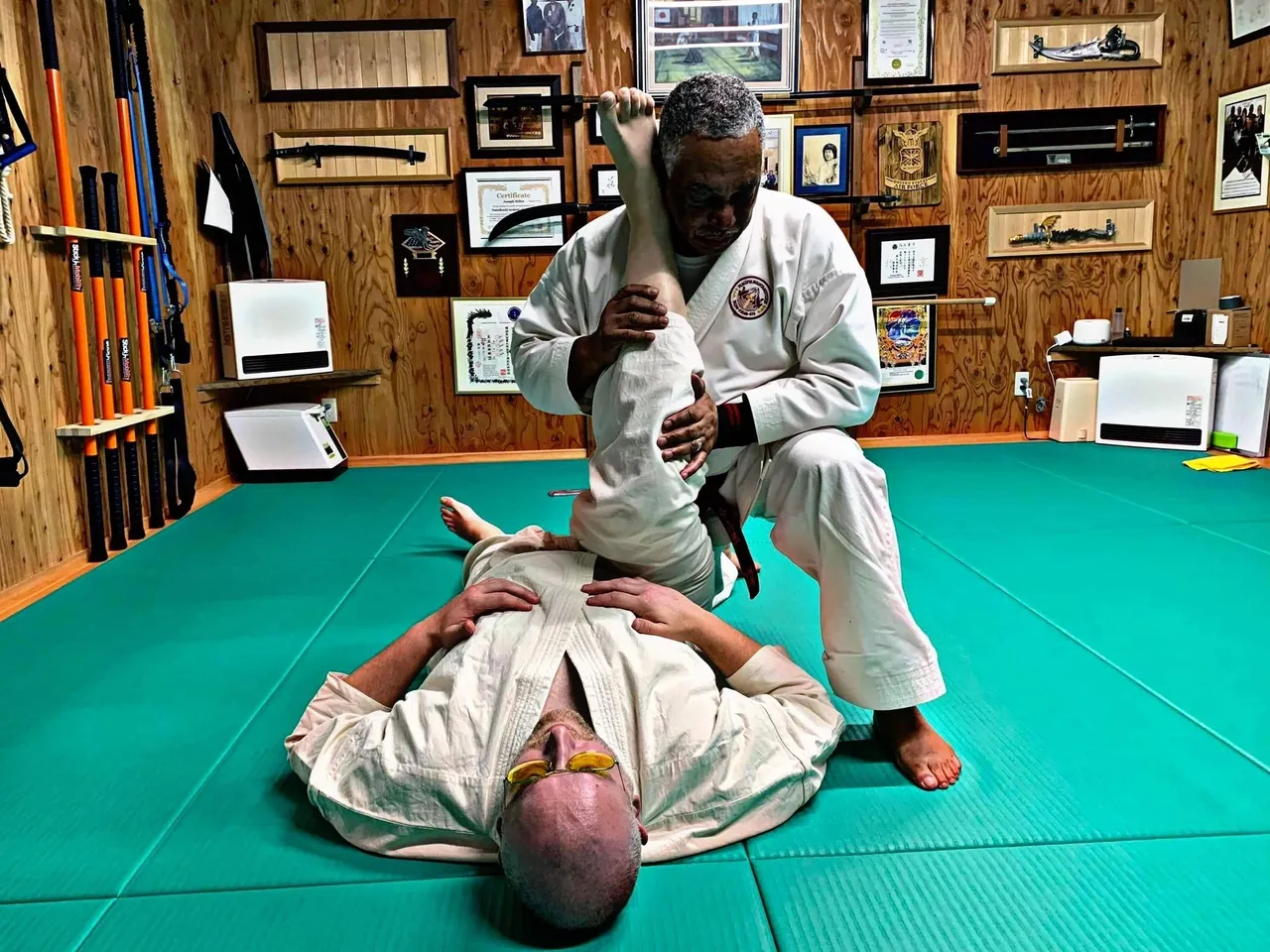
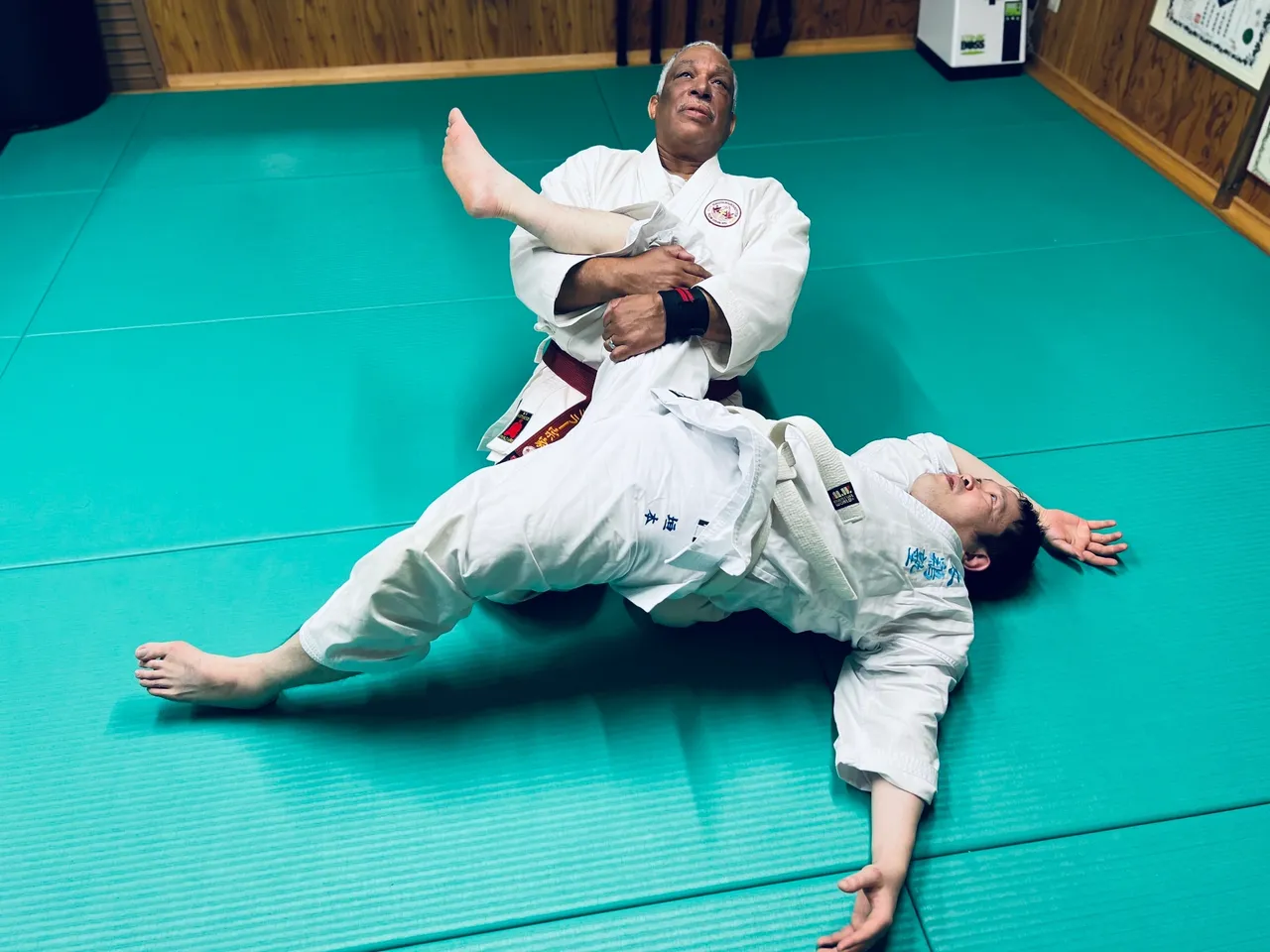
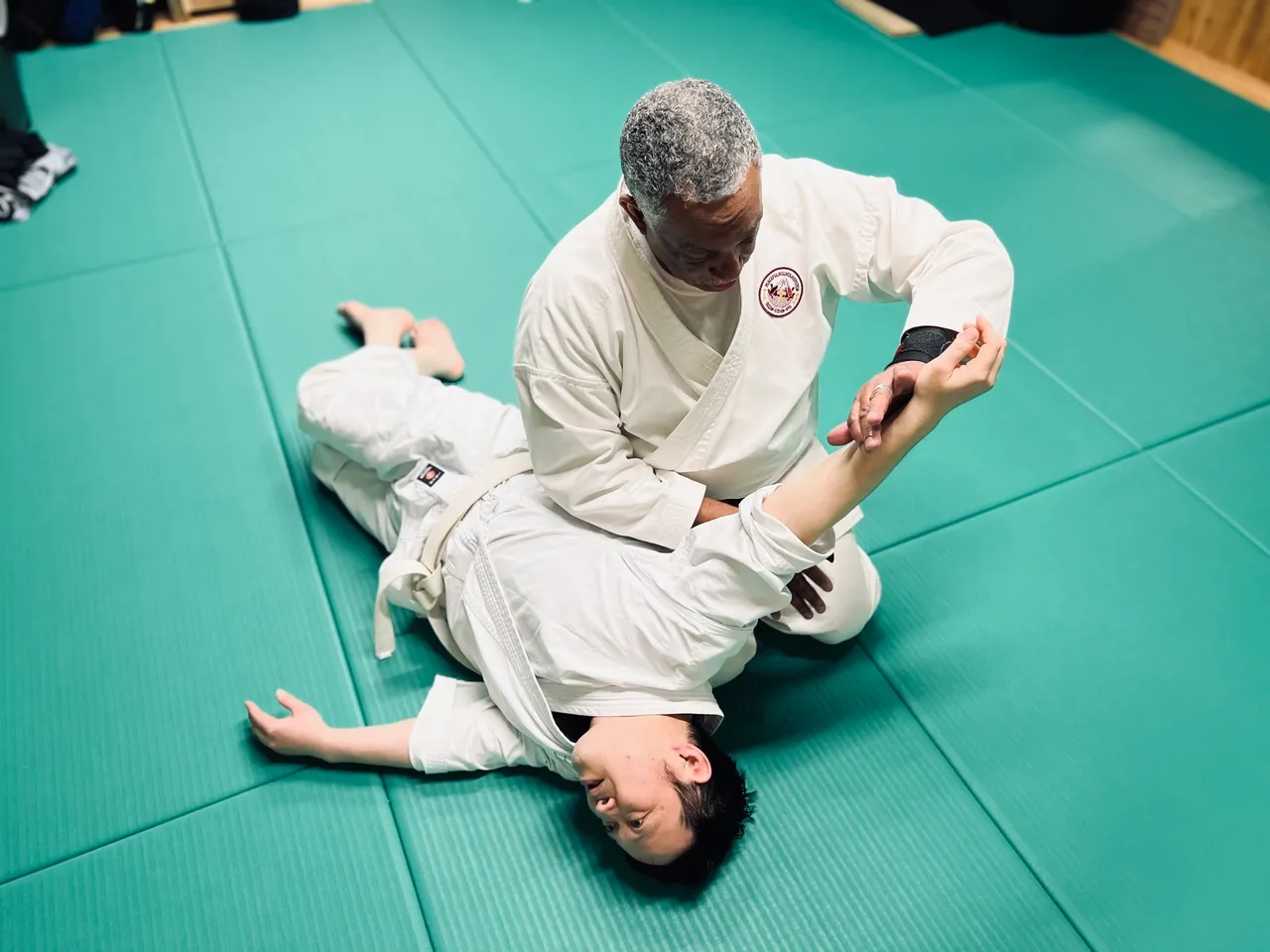
泰山流指圧は、宗家ジョー・ミラーが柔術修行の中で体得した皇法指圧を礎に、 独自の研究と改良を加えて生み出した指圧療法システムです。 武道で培った身体の理解と、経絡・ツボへの深い知識を組み合わせ、 心身のバランスを整え自然治癒力を引き出します。
Taizan-ryu Shiatsu is a therapy system developed by Soke Joe Miller, building upon Koho Shiatsu he mastered during his ju-jutsu training, enhanced through his own research and refinements. It combines deep body awareness cultivated through martial arts with profound knowledge of meridians and pressure points to restore balance and unlock natural healing.
経絡についてAbout Meridians
見出しをクリックすると詳細が開きます。
Click a heading to expand its details.
五行と経絡 The Five Elements and the Meridians
中医学では、十二経絡は五行(木・火・土・金・水)の理論と密接に結びついています。五臓それぞれがひとつの元素に対応し、気の流れが健康・感情・心身のバランスにどう影響するかを説明します。
In Traditional Chinese Medicine, the twelve principal meridians are closely tied to the theory of the Five Elements — Wood, Fire, Earth, Metal, and Water. Each of the five primary Yin organs is associated with one element, describing how Qi flows through the body and shapes health, emotion, and balance.
- 肝経 — 木(成長・計画・怒り/春)Liver Meridian — Wood element (growth, planning, anger; the season of spring)
- 心経 — 火(温かさ・喜び・循環/夏)Heart Meridian — Fire element (warmth, joy, circulation; the season of summer)
- 脾経 — 土(栄養・安定・思い煩い/晩夏)Spleen Meridian — Earth element (nourishment, stability, worry; late summer)
- 肺経 — 金(構造・浄化・悲しみ/秋)Lung Meridian — Metal element (structure, purification, grief; the season of autumn)
- 腎経 — 水(精の貯蔵・恐れ・意志力/冬)Kidney Meridian — Water element (stored essence, fear, willpower; the season of winter)
これら五つの元素は「相生」「相剋」という循環の中で互いに作用し合い、バランスが保たれることで心身の調和が生まれます。
These five elements interact in generating and controlling cycles, and when they remain in balance, the body and mind stay in harmony.
腕の経絡と身体の構造 Arm Meridians and Anatomical Correspondences
腕を走る六つの経絡は、陽経(外側)と陰経(内側)のペアに分けられます。一部の解釈では、その経路を前腕・手の主要な動脈や神経に重ねて説明することがあります。脈診や感覚・運動への影響を理解する手がかりにはなりますが、経絡は本来、解剖学的構造そのものではなく「気」の通り道として捉えられてきたものです。
The six meridians running through the arm are divided into Yang (outer) and Yin (inner) pairs. Some interpretive texts describe their pathways as loosely overlapping major arteries and nerves of the forearm and hand — useful for pulse palpation and understanding sensory or motor effects, though TCM meridians are traditionally understood as energetic pathways rather than direct anatomical structures.
陽経(外側の経路)
Yang Meridians (outer pathway)
- 大腸経 — 橈側(親指側)を走行/橈骨動脈に対応Large Intestine Meridian — runs along the radial (thumb) side; associated with the radial artery
- 三焦経 — 腕の中央を走行/正中動脈に対応Triple Heater (San Jiao) Meridian — runs along the center of the arm; associated with the median artery
- 小腸経 — 尺側(小指側)を走行/尺骨動脈に対応Small Intestine Meridian — runs along the ulnar (little-finger) side; associated with the ulnar artery
陰経(内側の経路、上記と表裏をなす)
Yin Meridians (inner pathway, paired with the above)
- 肺経(大腸経と表裏)— 橈骨神経に対応Lung Meridian (paired with Large Intestine) — associated with the radial nerve
- 心包経(三焦経と表裏)— 正中神経に対応Pericardium Meridian (paired with Triple Heater) — associated with the median nerve
- 心経(小腸経と表裏)— 尺骨神経に対応Heart Meridian (paired with Small Intestine) — associated with the ulnar nerve
これらの対応関係は現代解剖学で普遍的に認められているものではありませんが、経絡の経路と触知できる動脈・神経が重なるという、長年の観察の積み重ねに基づいています。
These correspondences are not universally accepted in modern anatomy, but they stem from centuries of observation linking meridian pathways to palpable arteries and nerves.
肺経(はいけい) Lung Meridian
肺経が乱れると、大腸経(だいちょうけい)との表裏関係を反映して、次のような症状が現れることがあります。
When the Lung Meridian falls out of balance, a range of symptoms may appear, reflecting its paired relationship with the Large Intestine.
- 顔が時々赤らむ(ほてる)ことがあるOccasional flushing or heat in the face
- 口が乾くDryness of the mouth
- 胸のつかえ(閉塞感)がより強く現れるA stronger sense of tightness or oppression in the chest
- 咳が普段より頻繁に出るCoughing more frequently than usual
- 動悸が起こることがあるOccasional heart palpitations
- 片方の腕にしびれが現れることがあるNumbness in either arm
- 手のひらが汗ばみ、時に強い熱さを感じるSweaty palms, sometimes with a sensation of extreme heat
- 声が突然高くなったり低くなったりするThe voice shifting suddenly higher or lower
- 疲れやすくなり、全身の気力低下を感じるIncreased fatigue and an overall sense of depleted energy
- 目の疲れや視力低下など、目にまつわる不調が現れることがある(肺経は目に関わるツボを通るため)Weakness affecting the eyes, such as blurred vision or eye fatigue — since the Lung Meridian passes through points connected to the eyes
- 辛い食べ物や、魚のような生臭いものを普段より欲するようになるStronger-than-usual cravings for pungent or "fishy"-tasting foods
これは中医学における肺経と大腸経の表裏関係に基づく考え方です。
This pattern reflects the internal-external relationship between the Lung and Large Intestine meridians in TCM theory.
心包経(しんぽうけい) Pericardium Meridian
心包経(しんぽうけい)は、鍼灸や中医学における十二経絡のひとつで、心臓を包む膜「心包」に対応する経絡です。英語では「Pericardium Meridian」、または「心を守るもの(Heart Protector)」とも呼ばれます。
The Pericardium Meridian, known in Japanese as Shinpoukei (心包経), is one of the twelve principal meridians in Traditional Chinese Medicine (TCM) and acupuncture. It corresponds to the pericardium, the protective membrane surrounding the heart, and is also referred to as the "Heart Protector."
この経絡の主な役割は、中医学で「君主の官」とされる心を、感情的なショックや外邪、過度の熱やストレスから守ることです。喜びや人間関係にまつわる感情を調整し、血の巡りを助け、心神(精神)を落ち着かせる働きがあります。
Its primary role is to shield the Heart — regarded as the "Emperor" in TCM — from emotional shocks, external pathogens, and excessive heat or stress. The meridian helps regulate emotions related to joy and relationships, supports healthy circulation, and calms the mind.
中医学の理論上、心包は五臓(肝・心・脾・肺・腎)には数えられませんが、実際の施術では非常に重要視されており、感情のバランス、心臓関連の不調、胸のつかえ、不安、不眠、精神の安定などに広く用いられています。
While the Pericardium is not counted among the five essential Zang organs in TCM theory, its meridian is widely used in practice — particularly for emotional balance, heart-related concerns, chest discomfort, anxiety, insomnia, and the protection of the spirit (Shen).
胃経(いけい) The Stomach Meridian
胃経(正式には足陽明胃経)は、中医学において土の元素に関連づけられる主要な陽経です。消化の中心的な役割を担い、食物や水分を受け取ってその分解を始め、全身に届けるための気と栄養へと変換します。これには胃・食道・十二指腸の働きを司ることに加え、食欲・代謝・体液の巡りへの影響も含まれます。身体的な消化にとどまらず、感情や経験を「消化」する助けともなり、思考過多や心配による負担を和らげ、心の明晰さを支えます。
The Stomach Meridian — known as the Foot-Yangming Stomach Channel in Traditional Chinese Medicine — is a major Yang meridian associated with the Earth element. It plays a central role in digestion: receiving food and drink, initiating their breakdown, and transforming them into usable Qi and nutrients for distribution throughout the body. This includes governing the stomach, esophagus, and duodenum, as well as influencing appetite, metabolism, and the smooth circulation of body fluids. Beyond physical digestion, it also helps the body "digest" emotions and experiences, supporting mental clarity and easing the overload that comes from overthinking or worry.
経絡の経路は目の下から始まり、あごへ下り、額へ上がったのち、喉・胸・腹部を通って脚の前面を下り、足の第二趾に至ります。
The meridian's pathway begins beneath the eye, descends to the jaw, rises to the forehead, then travels down through the throat, chest, and abdomen, continuing along the front of the leg to the second toe.
中医学の考え方をもとにした日本の施術法である指圧では、胃経の滞りが消化不良・生殖に関わる不調・月経不順・母乳分泌の問題・食欲の乱れなどにつながると考え、これを整えるために施術を行います。施術者は指・手のひら・肘・膝を用いて経絡の経路やツボ(経穴)に持続的な圧を加え、滞りを解放し、気の巡りを整えてバランスを取り戻します。これにより消化不良や膨満感、吐き気、それに伴う情緒的な負担の緩和が期待できます。たとえば足三里(ST-36)は、消化と免疫力を支えるツボとして指圧でもよく用いられます。
In Shiatsu — a Japanese form of therapeutic bodywork rooted in TCM principles — the Stomach Meridian is treated to relieve blockages in the flow of Qi that can contribute to digestive trouble, reproductive concerns, menstrual irregularity, lactation issues, or appetite imbalance. Practitioners apply sustained pressure with the fingers, palms, elbows, or knees along the meridian's pathway or at specific points (tsubo) to release stagnation, restore healthy circulation, and support the body's balance. This can help ease symptoms such as indigestion, bloating, nausea, and related emotional stress. Point ST-36 (Zusanli), for example, is commonly used in Shiatsu to support digestion and immunity.
任脈(にんみゃく) The Conception Vessel (Ren Mai)
任脈(にんみゃく)(別名:Conception Vessel、Directing Vessel)は、中医学において最も重要な経絡のひとつです。「陰の海」と呼ばれ、体全体の陰のエネルギーを調整し、滋養する役割を担っています。
The Conception Vessel — Ren Mai (任脈), also known as the Directing Vessel — is one of the most important channels in Traditional Chinese Medicine. Known as the "Sea of Yin," it governs and nourishes the Yin energy of the entire body.
任脈の主な機能
Primary Functions
- 全身の陰のエネルギーを司る(冷たく、滋養し、内向きで回復的な性質)Governing the body's Yin energy — cooling, nourishing, and restorative in nature
- 生殖機能に強い影響を与える — 月経、不妊、妊娠、出産、産後回復、更年期障害など、女性だけでなく男性の関連症状にも関わるStrongly influencing reproductive function — menstruation, fertility, pregnancy, childbirth, postpartum recovery, and menopause, as well as related concerns in men
- 子宮(男性では下腹部の対応するエネルギーセンター)、血、体液を調整するRegulating the uterus (or its corresponding energy center in men), blood, and bodily fluids
- 感情のバランス、消化、呼吸、ホルモン調整、全身の活力維持をサポートするSupporting emotional balance, digestion, breathing, hormonal regulation, and overall vitality
- のぼせ、寝汗、口の渇き、不安、婦人科疾患、慢性疲労などの症状の治療に役立つBeing used in treatment for symptoms such as hot flashes, night sweats, dry mouth, anxiety, gynecological conditions, and chronic fatigue
任脈は奇経八脈の一つで、通常の十二経脈に対してより深く根本的なエネルギーの貯蔵庫として機能します。
As one of the Eight Extraordinary Vessels, the Conception Vessel acts as a deep reservoir of energy underlying the twelve principal meridians.
任脈の経路
Pathway
任脈は身体の前面正中線を正確に走行するため、視覚化しやすくアクセスしやすい経絡です。
Its pathway runs along the exact midline of the body's front, making it easy to visualize.
- 起始 — 体内深く、腎臓の間(女性では子宮、男性では下腹部とされる)から始まるIt begins deep within the body, between the kidneys (the uterus in women; the lower abdomen in men).
- 下行して体表に出るのが任-1(会陰・えいん)— 会陰部(肛門と性器の間)It surfaces at CV-1 (Huiyin), at the perineum.
- そこから身体の正中線を直線的に上行する From there it ascends straight up the front midline
- 性器と下腹部の上(重要なツボ:任-3 中極、任-4 関元、任-6 気海 — 生殖とエネルギー貯蔵に重要)passing above the genitals and lower abdomen (key points CV-3, CV-4, and CV-6 — vital for reproduction and energy storage)
- 臍(へそ)の領域を通るthrough the navel area
- 胸部と胸骨に沿って(任-17 膻中 — 胸・呼吸に影響する重要なツボ)along the chest and sternum (CV-17, an important point for the chest and breathing)
- 喉と頸部を通るthrough the throat and neck
- 任-24(承漿・しょうしょう)で終わる — 下唇の下の溝(オトガイ唇溝)It ends at CV-24 (Chengjiang), in the groove beneath the lower lip.
- 内部の継続する枝 — 口、唇に内部でつながり、目下のツボや督脈(Du Mai)と連絡するInternal branches continue to connect with the mouth and lips, points near the eyes, and the Governing Vessel (Du Mai).
要するに、任脈は会陰 → 陰部 → 臍 → 胸 → 喉 → 口まで、胴体と頭部の前面全体の正中線を形成します。
In short, the Conception Vessel forms the central midline of the body's front — from the perineum, through the genitals, navel, chest, and throat, to the mouth.
身体とのつながり
Connections Throughout the Body
任脈は非常に広範なつながりを持ち、それがその強力さの理由です。
Because of its extensive connections, the Conception Vessel is especially influential.
- すべての陰経(肺経、心経、心包経、脾経、腎経、肝経)と連結し、それらの「集まる点」として機能するIt links and gathers all the Yin meridians (Lung, Heart, Pericardium, Spleen, Kidney, and Liver)
- 生殖器(子宮、性器)、腎臓、下丹田(臍の下のエネルギーセンター)と深くつながるIt connects deeply with the reproductive organs, kidneys, and the Lower Dantian (the energy center below the navel)
- 督脈(背面正中線の経絡)と密接に関連し、気功でよく用いられる完全な回路(小周天)を形成するIt works closely with the Governing Vessel along the back midline, together forming the circuit used in Qigong practice known as the Microcosmic Orbit
- 衝脈など他の奇経八脈とも関係し、下腹部・腎臓領域で共通の起源を持つIt relates to other Extraordinary Vessels such as the Penetrating Vessel (Chong Mai), sharing a common origin in the lower abdomen and kidney region
- 表層の経路が腸、胃、心臓・肺、喉などの主要臓器を直接覆っているため、この経絡上のツボはこれらの領域に強力に影響を与えるBecause its pathway lies directly over major organs — the intestines, stomach, heart, lungs, and throat — points along this meridian have a strong influence on these areas
簡単に言うと、任脈は陰の滋養エネルギーの中央ハイウェイのようなもので、会陰から口まで身体の前面中央を走り、生殖、感情、全身のバランスに深く関わる経絡です。鍼灸や気功では、活力向上や女性の健康問題の治療に最も頻繁に用いられるチャンネルの一つです。
In short, the Conception Vessel is like a central highway of nourishing Yin energy, running along the front midline of the body from the perineum to the mouth. In acupuncture and Qigong, it is one of the most frequently used channels for restoring vitality and treating women's health concerns.
耳鳴りについて About Tinnitus
耳鳴り(みみなり)とは、実際には外部から音が鳴っていないにもかかわらず、耳や頭の中で音を感じる状態を指す医学用語です。それ自体がひとつの病気というわけではなく、さまざまな不調のサインとして現れる症状です。
Tinnitus is the medical term for perceiving sound in the ears or head without any actual external source. It is not a disease in itself, but a symptom that can accompany a variety of underlying conditions.
多くの方は「持続的な、あるいは断続的なキーンという音」と表現しますが、ブーンという低い音・シューという音・轟くような音・ヒューという音・カチカチという音として感じられることもあります。世界中で非常に多くの人に見られる症状で、成人の10〜25%が人生のどこかで経験すると言われています。多くの場合は本人にしか聞こえない主観的なものですが、まれに医師が確認できる客観的な耳鳴り(血流の問題に関連することが多い)もあります。
Most people describe it as a constant or intermittent ringing, though it can also present as buzzing, hissing, roaring, whistling, clicking, or a whooshing sound. It affects a significant portion of the population — estimates suggest that 10 to 25% of adults experience it at some point in their lives. In most cases it is subjective, meaning only the person experiencing it can hear it, though in rare cases it can be objective and detectable by a clinician, often related to blood-flow issues.
主な原因としては、加齢による聴力低下、大きな音への曝露、耳垢の蓄積、耳の感染症、特定の薬剤の影響、頭部や首の外傷などが挙げられます。
Common causes include age-related hearing loss, exposure to loud noise, earwax buildup, ear infections, certain medications, and head or neck injuries.
耳鳴りは煩わしく、つらく感じられることがありますが、生命に関わる重大な病気のサインであることはまれです。万能な治療法はありませんが、音響療法、補聴器、ストレスの軽減などによって、多くの方が症状の緩和に成功しています。
While tinnitus can be distressing, it is rarely a sign of a serious underlying condition. There is no single universal cure, but many people find relief through sound therapy, hearing aids, stress reduction, and other supportive approaches.
私の歩み 泰山流指圧My Journey: Taizan-ryu Shiatsu
泰山流指圧の誕生Birth of Taizan-ryu Shiatsu
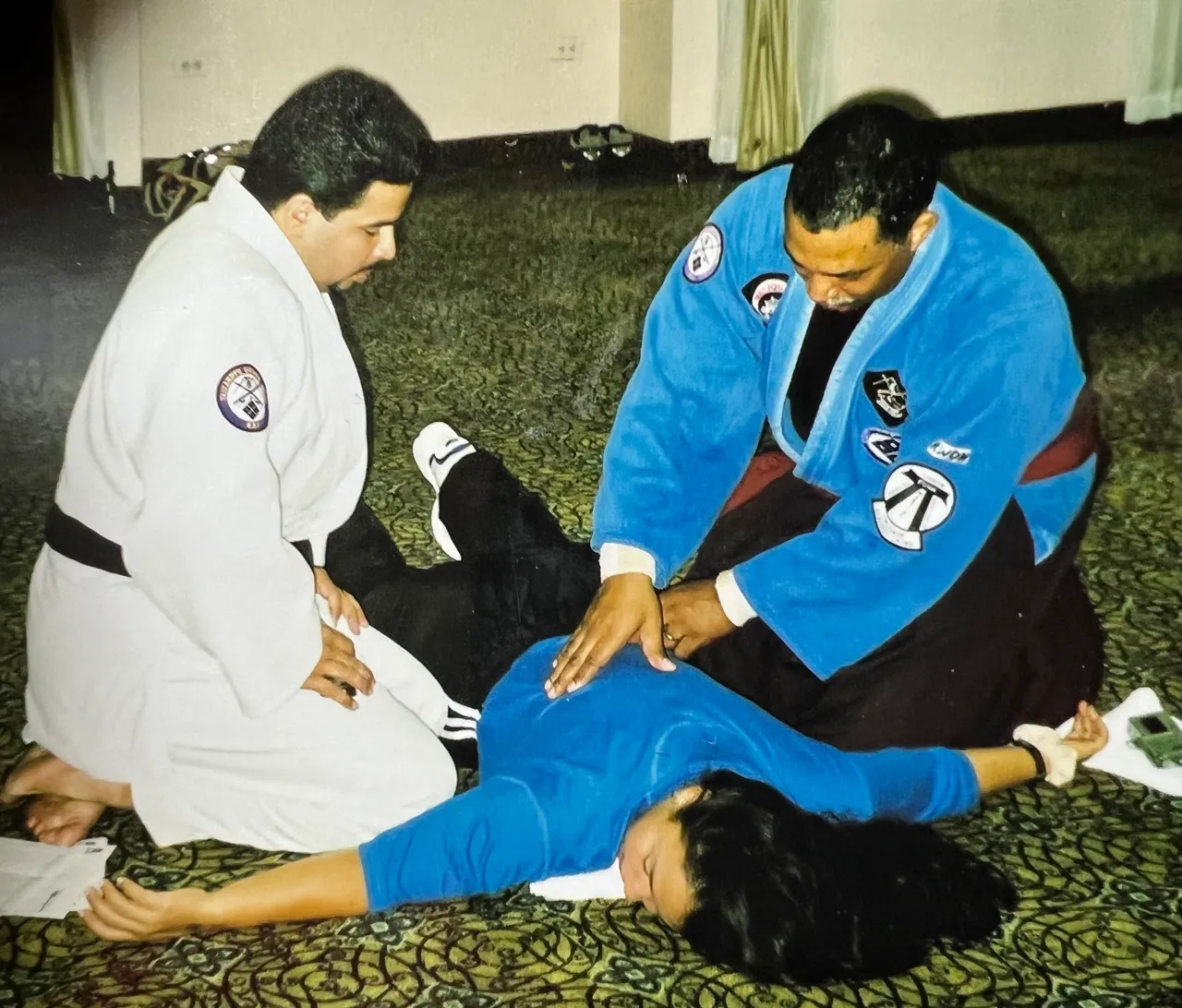
私は柔術の師である奥山龍峰宗家代から初めて皇法指圧を学びました。 奥山宗家は八光流柔術という護身術システムの創始者であり、このシステムには皇法指圧システムが武道の一部として組み込まれていました。 1985年、私は皇法治療の技術を自分自身の経絡とツボへの応用アイデアと融合させ、異なるレベルの施術を実現したいと考えました。
I first learned Koho Shiatsu from my ju-jutsu teacher, Soke Okuyama Ryuho. Soke Okuyama was the founder of Hakko-ryu Ju-jutsu, a self-defense system that incorporated the Koho Shiatsu system as part of the martial arts. In 1985, I wanted to blend the techniques of Koho treatment with my own ideas for applying meridians and pressure points, and to achieve different levels of treatment.
独自のシステム開発Development of Our Own System
皇法指圧は深く根差した母指圧ですが、人々は母指の先端での施術の痛みに耐えられませんでした。 そこで私は母指の付け根全体を使い、異なるストローク技術を適用することにしました。 多くのクライアントで実地試験を行ったところ、肯定的なフィードバックを得られ、多くの人がこのプロセスを愛していると言ってくれました。 最終的に、私は泰山流指圧システムを米国議会図書館に著作権登録しました。
Koho Shiatsu uses deep-rooted thumb pressure, but people could not tolerate the pain of treatment with the tip of the thumb. So I decided to use the entire base of the thumb and apply different stroking techniques. After field-testing on many clients, I received positive feedback — many people said they love the process. Eventually, I registered the Taizan-ryu Shiatsu system with the Library of Congress.
現在の治療アプローチCurrent Treatment Approach
今日、私はこの応用原理を使ってクライアントの健康を改善しています。 異なる疾患には皇法指圧システムを引き続き使用することもありますが、 両方のシステムに加えて浪越指圧システムの応用を組み合わせることで、 特定の症状を持つ方々の治療においてより良い結果を得ています。
Today I use these application principles to improve my clients' health. For different conditions I may still use the Koho Shiatsu system, but by combining both systems along with the Namikoshi Shiatsu system, I achieve better results in treating people with specific conditions.
指圧の歴史的背景Historical Background of Shiatsu
指圧は日本で生まれた非侵襲的な指圧療法です。 当時、このタイプのセラピストは「按摩さん」と呼ばれており、これはマッサージ師を意味します。 これらのセラピストの多くは視覚障害者でした。 なぜなら、これは彼らが見ることなくできる数少ない仕事の一つだったからです。 触れることだけが、彼らの唯一の生計手段でした。
Shiatsu is a non-invasive pressure therapy born in Japan. At the time, this type of therapist was called "Amma-san," meaning massage therapist. Many of these therapists were visually impaired, because this was one of the few occupations they could perform without sight. Touch alone was their sole means of livelihood.
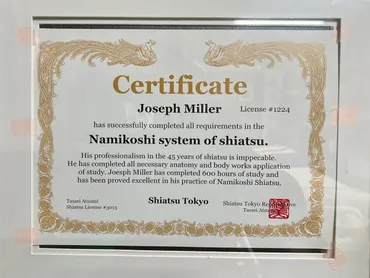
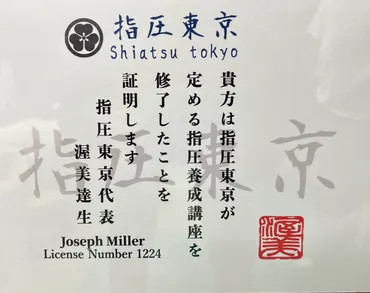
指圧認定証Shiatsu Certifications
宗家ジョセフ・ミラーの指圧資格証明書
Soke Joseph Miller's Shiatsu Certification
宗家の著書Soke's Publications

著書Publication
Healing Touch: The Complete Guide
泰山流指圧・整体のガイドブックA Guide to the TaizanRyu System of Shiatsu and Seitai
宗家ジョセフ・ミラーによる、60年以上の武道経験に基づいた泰山流指圧の包括的なガイドブックです。伝統的な日本の治療芸術と現代的なアプローチを融合させ、心身の健康を取り戻すための実践的な知識が詰まっています。
Discover the secrets of TaizanRyu Shiatsu in this comprehensive guide by Soke Joseph Miller. Drawing from over 60 years of martial arts experience, this book bridges traditional Japanese healing arts with practical application.
Amazonで購入するBuy on Amazonお客様の声 Client Testimonials
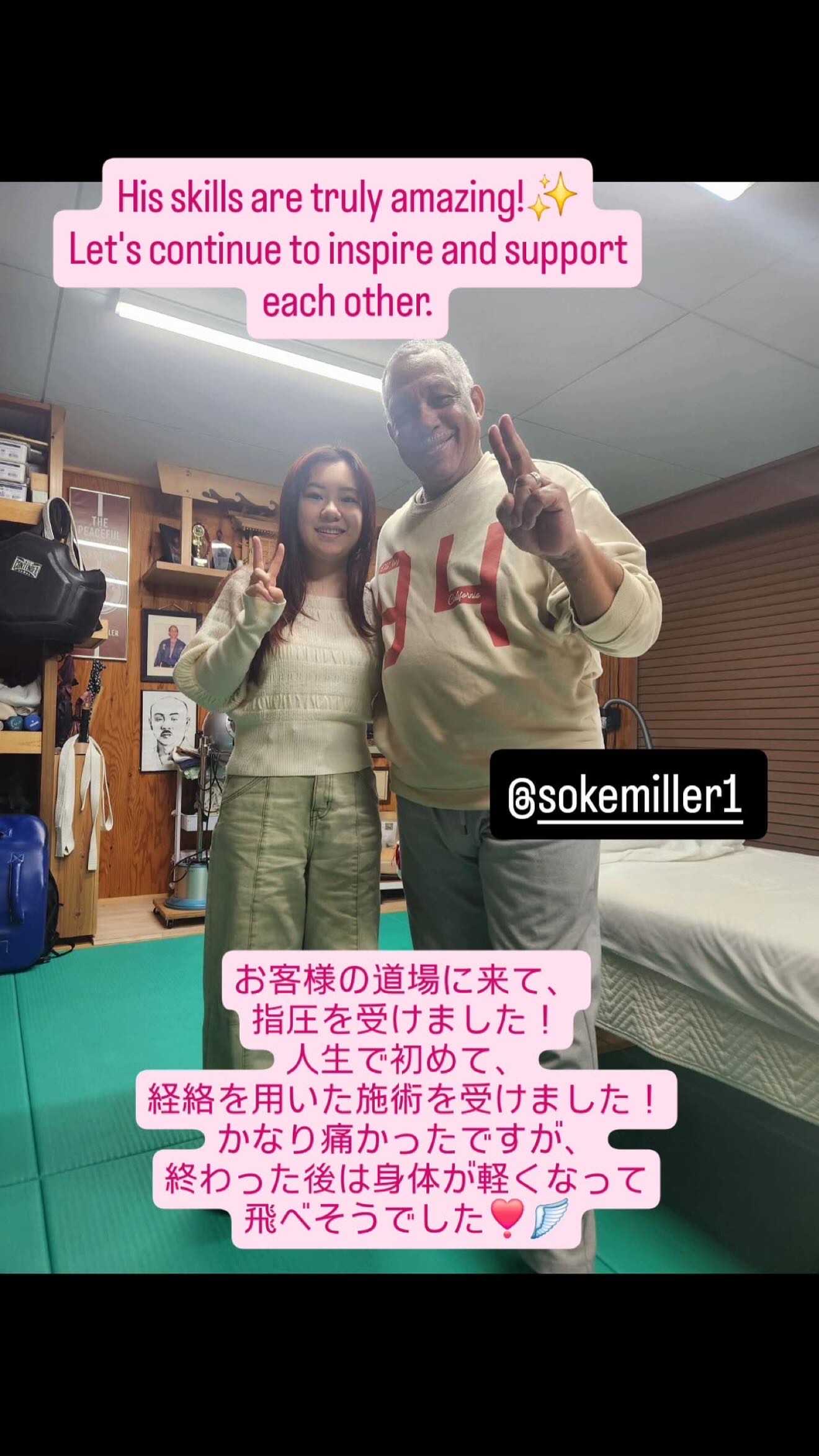
施術を受けられたお客様からいただいた、率直な感想をご紹介します。
Read what our clients have to say about their experience with Taizan-ryu Shiatsu.
 お客様の声をすべて見る View All Testimonials